Brea Tree Services & Arbor Care
Menu
Cost Analysis: Commercial vs. Residential Tree Removal in Brea
Commercial Tree Removal Brea
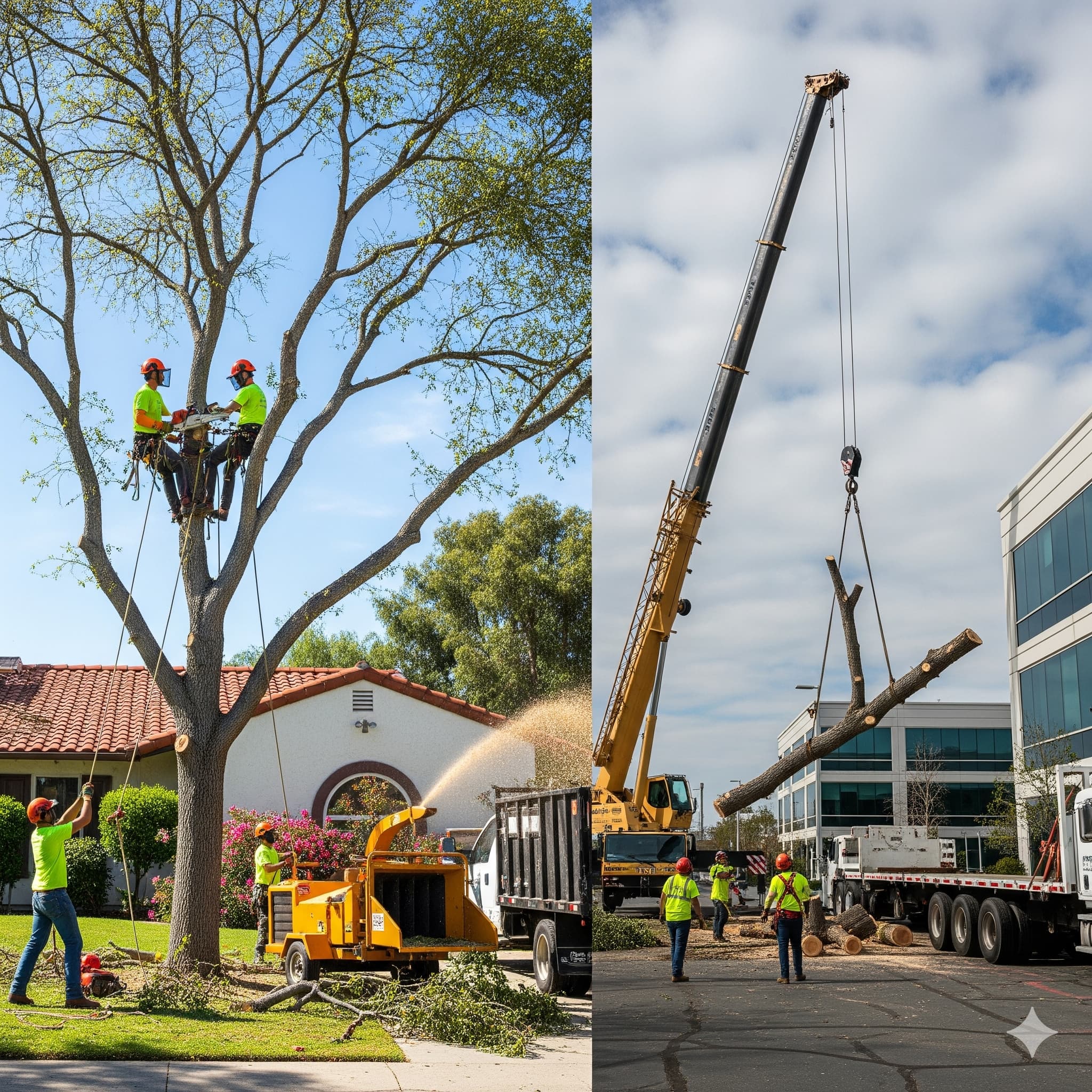
Making informed investment decisions regarding your Brea tree care is a great first step in determining what you will invest in your trees. Both commercial and residential tree removal have a common goal; however, commercial tree removal can involve a number of added expense factors, including added complexity to logistics and additional insurance coverage requirements. We provide all Brea residents with a price that is easy to understand for either commercial or residential tree removal throughout Brea’s many types of properties.
Residential Tree Removal Costs in Brea
Residential tree removal costs in Brea are structured around standard pricing for tree size and accessibility. On average, the cost of removing a tree will depend upon its size and how difficult it is to get to the tree (e.g., whether it is located behind a fence, near a pool, etc.).
Pricing Structure for Standard Residential Work
Tree removal costs for residential properties in Brea range from approximately $400 to $700 for trees that are under 30 feet tall. This class of trees includes mostly ornamental trees, young trees, and small fruit trees, which are typical in suburban neighborhood settings around City Hall Park and other residential parks in Brea.
Trees that are 30 to 60 feet tall are priced in the medium category of tree removal; they typically range from $800 to $1,800 to remove. Mature shade trees, older oak trees, and large specimen trees are typical in this price range and are common in Brea’s older neighborhoods, such as Arovista Park and surrounding residential areas.
Larger residential trees or trees that require specialized removal techniques (e.g., heritage trees, trees near power lines) can cost upwards of $2,500 and possibly even as much as $5,000 to remove. These types of removals are typically more involved and, therefore, are more costly.
Factors That Impact Residential Prices
Access to the location where the tree is located is one of the most important factors affecting the pricing for residential tree removal. For example, if the tree is located in a front yard with easy access to the tree, it will likely be cheaper to remove than a tree that is located in a back yard that has a narrow side yard and/or obstacles (fencing, pool, landscaping features, etc.) to navigate.
Other property-specific factors, such as proximity to houses, power lines, and adjacent structures, can also impact pricing through additional safety considerations and specialized equipment needs. For example, properties with mature trees located near Birch Hills Golf Course or older residential areas of Brea typically require more care in the removal process.
Commercial Tree Removal: Recognizing Higher Costs
Commercial tree removal is significantly higher in cost than residential tree removal because of the increased liability associated with commercial work, more stringent safety requirements, and the complexity of the job-site.
Commercial Pricing Categories
Smaller commercial trees (trees that are typically under 30 feet tall) can cost anywhere from $600 to $1,200 to remove. This represents an approximate 50-70% increase in cost from comparable residential tree removal jobs. The reason for the increased cost is due to higher insurance requirements, more stringent safety requirements, and the requirement for additional documentation related to commercial work.
Medium-sized commercial trees (typically trees that are 30-60 feet tall) can cost between $1,500-$3,500 to remove, and the cost of removal is dependent upon the complexity of the site and the difficulty in accessing the trees. Sites located in busy shopping centers like Brea Mall or in heavy-traffic areas may require the use of traffic-control devices and the positioning of specialized equipment, which can prolong the length of the project and add to the total cost of the removal.
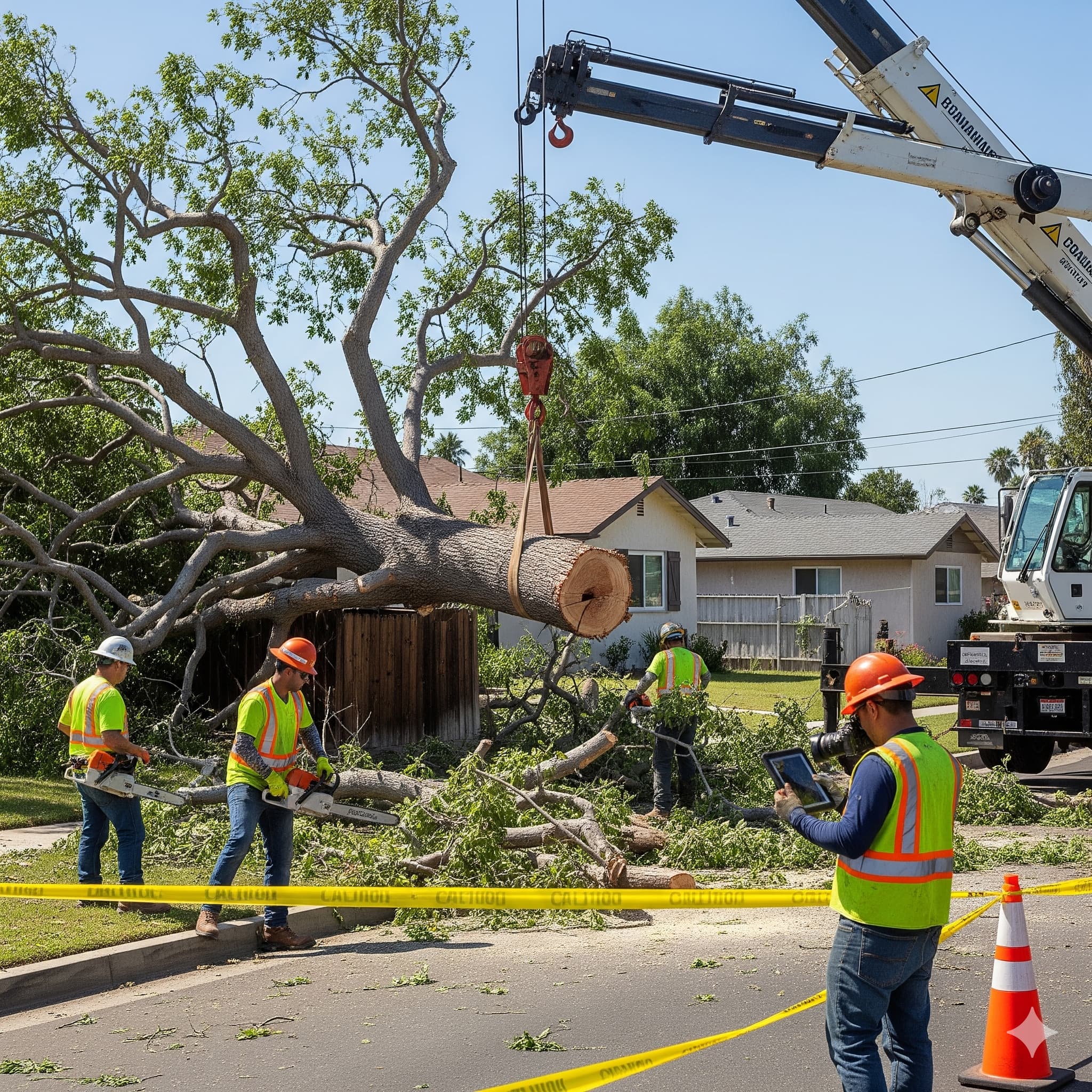
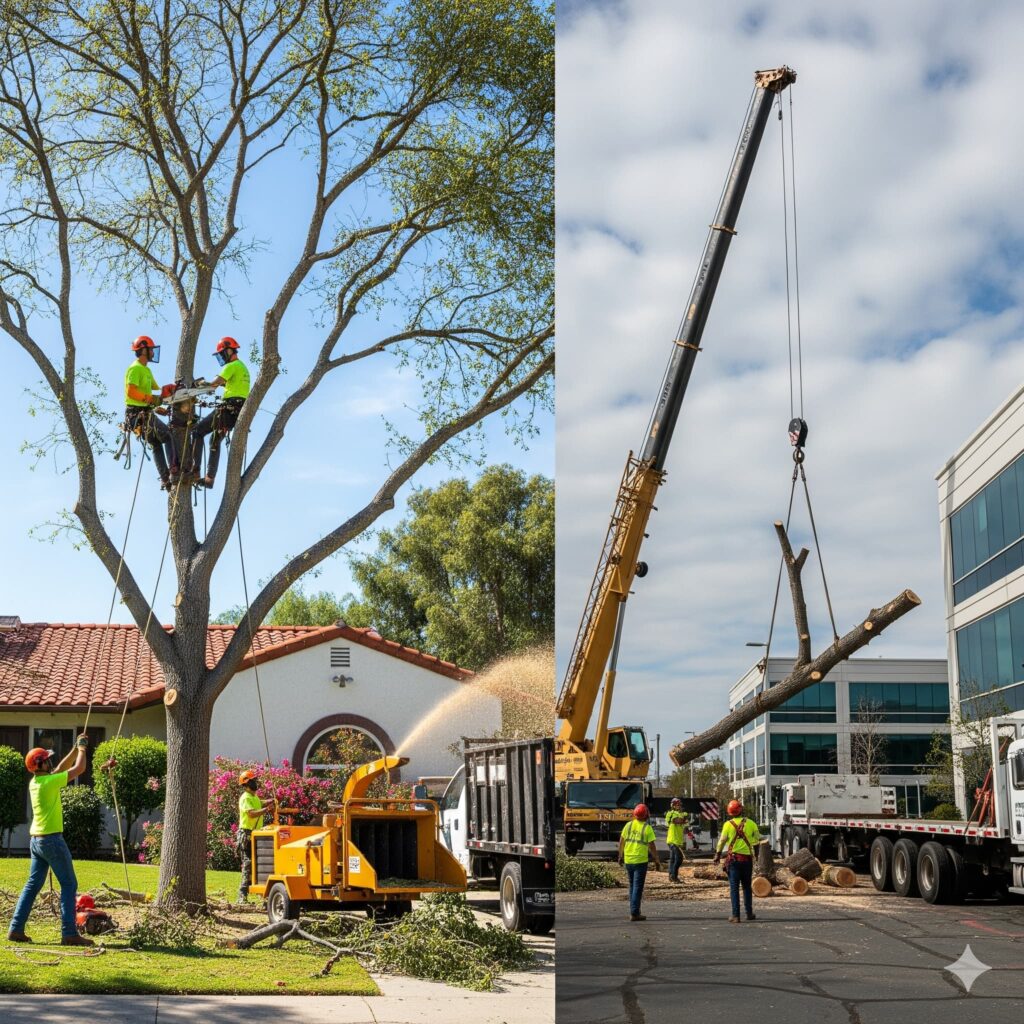
Large commercial tree removal projects can cost anywhere from $4,000-$8,000 to remove a single tree, especially if the tree is a heritage tree, requires specialized rigging equipment, or requires crane assistance to safely remove the tree in a confined space. Large commercial removal projects can last for days or longer, depending on the size and number of trees being removed.
Challenges Faced by Commercial Sites
Commercial sites are often more complicated to access than residential sites. Access challenges faced by commercial sites can include loading docks, restricted parking areas, delivery schedules, and customer traffic, and these challenges can require specialized planning and positioning of equipment.
Additionally, many commercial sites require after-hours or weekend scheduling to prevent disrupting business operations, and these non-standard scheduling hours can add an additional 20-50% to the base cost of removal services through the addition of overtime labor and specialized scheduling.
Differences in Insurance Coverage
There are significant differences in the amount of insurance coverage required for commercial versus residential tree removal work that property owners should consider when budgeting for tree removal services.
Residential Insurance Requirements
Typically, residential tree removal work requires $1 million in general liability insurance coverage, which is considered the minimum insurance coverage for homeowner projects. This level of insurance coverage provides sufficient protection for single-family dwellings, while keeping insurance costs low enough to remain competitive for residential tree removal services.
Workers’ compensation requirements for residential tree removal work are also standardized and add approximately $186 per month per crew to the operating costs of a residential tree service. As a result, residential tree removal services can continue to offer affordable prices for homeowners.
Commercial Insurance Requirements
Commercial tree removal work, however, requires significantly more insurance coverage, with most commercial clients requiring $2-5 million in liability insurance coverage. Furthermore, many commercial clients require proof of these enhanced coverage levels before approving the work, so compliance with these requirements is mandatory for commercial tree services.
In addition to the higher liability insurance coverage requirements, commercial projects often require additional insured endorsements, which name the property owner and sometimes tenants, as additional covered parties. These added insurance features can add thousands of dollars to the cost of commercial tree removal services.
Umbrella Policies Required for Commercial Work
Umbrella policies are required for most commercial tree removal work, as they provide additional coverage beyond the standard policy limits. Umbrella policies can cost between $1,200 to $3,000 annually, but are a necessity when performing high-value commercial tree removal services.
Crew Size and Equipment Requirements for Commercial Projects
Commercial tree removal projects typically require larger crews, specialized equipment, and longer project timelines than residential tree removal projects and, therefore, impact the structure of costs for commercial services.
Residential Crew Sizes and Equipment Needs
Residential tree removal projects can typically be performed using standard equipment, including bucket trucks, chippers, and basic rigging equipment. Because residential projects are typically easier to access and have fewer complexities, residential crews are able to complete most residential removals with a crew of 2-4 people, consisting of a certified arborist and ground support staff. This smaller crew size allows for lower costs for residential homeowners.
Commercial Crew Sizes and Equipment Requirements
Commercial tree removal projects, however, often require crane assistance, and crane rental can cost anywhere from $500-$2,500 per day, depending on the size and complexity of the crane required. Commercial properties in developed commercial areas of Brea, such as Founder’s Park or along major streets, often require cranes to safely access trees located close to buildings.
Traffic-control equipment is also required for commercial sites located near busy roads and can cost anywhere from $175 to $225 per hour for flaggers, and is required by law to ensure public safety.
Additional specialized rigging equipment, larger chippers, and additional safety equipment for commercial projects add to the overall cost of commercial projects. Additionally, commercial projects require redundant safety systems and backup equipment, which can add an additional 20-30% to the cost of the equipment.
Permitting and Regulatory Differences Between Commercial and Residential Projects
Both commercial and residential tree removal projects must comply with local regulations regarding permitting and inspections; however, commercial projects are subject to more stringent permitting requirements than residential projects.
Residential Permitting Process
Obtaining residential permits for tree removal in Brea typically costs between $75 to $150 and is a relatively straightforward process. However, if the tree is designated as a heritage tree or if the tree contains protected species, additional documentation may be required, but it rarely creates more complex approval processes. Environmental assessments are rare for residential tree removal projects, except for protected species or environmentally sensitive areas. Typically, residential permits can be approved within a week of submitting the permit application.
Commercial Permitting Process
Commercial projects, however, are subject to more complex permitting processes, requiring multiple permits from various agencies, including planning departments, environmental agencies, and potentially state agencies for larger projects. These multiple approvals can extend the project timeline by weeks or months.
Commercial projects may also require environmental assessments to determine the potential impact on the environment, which can add an additional cost of $2,000 to $10,000, depending on the complexity of the project and the environmental sensitivity of the area.
Additionally, commercial projects may require public notification, which can add additional administrative costs and delays to the project. Projects that are visible from public areas or involve the removal of numerous trees may require a public notification process.
Commercial vs. Residential Scheduling Paradigm
Commercial and residential tree removal projects have different scheduling paradigms that affect both the cost and convenience for property owners.
Residential Project Scheduling
Residential projects offer the greatest degree of scheduling flexibility and allow for work to be done during optimal weather conditions and at times that are most convenient for homeowners. Homeowners can often schedule work to take place during the off-season to realize a discount of 10-15% on the cost of removal services during the winter months.
Single-day completion is typical for residential projects and minimizes disruptions to the homeowner, resulting in reduced overall labor costs. Residential tree services can work within normal business hours and charge only base labor rates for this work.
Commercial Project Scheduling
Commercial projects, however, do not always afford this same degree of scheduling flexibility. Commercial projects often require work to be performed outside of normal business hours (after-hours, weekends, etc.), and this can add up to 25-50% to labor costs through overtime labor rates. Retail locations, restaurants, and office complexes often require non-business-hour scheduling.
Commercial projects can take several days to complete and require coordination with business operations, security personnel, and sometimes with multiple tenants. This coordination can add to the cost of the project through project management costs and scheduling delays.
Additionally, commercial projects may have more restrictive seasonal scheduling requirements than residential projects, especially for retailers during peak shopping seasons or for restaurants during peak dining months.
Post-Removal Cleanup and Disposal Requirements for Commercial Projects
Commercial projects typically require a greater degree of post-removal cleanup and disposal services and special handling than residential projects.
Residential Post-Removal Cleanup
Residential post-removal cleanup focuses on restoring the property to its original state with minimal disturbance to the surrounding landscape. Typical costs for residential cleanup services range from $75 to $250 per dump-truck load, and most residential projects will require no more than one to two loads.
Homeowners can choose from among three options for disposing of wood products from residential tree removals: converting the wood into firewood, producing mulch, or standard green-waste disposal. These options give homeowners choices to help them save money and to generate value from their trees.
Commercial Post-Removal Cleanup
Commercial properties, however, require a more extensive cleaning effort to restore the property to a safe and aesthetically pleasing state. Commercial properties require daily cleanup during multi-day projects to prevent debris from accumulating and causing business disruptions or creating liabilities for the property owner.
Depending on the type of waste stream generated by a commercial property, there may be specialized disposal requirements that necessitate separate hauling and disposal methods. In some cases, commercial properties may require certified documentation for environmental compliance or insurance purposes.
In addition to the standard cleanup and debris-removal costs, commercial properties also require post-removal restoration of the landscape, including restoration of the irrigation system and aesthetic enhancements. These additional services can add 15-25% to the base cost of removal services.
Value Proposition Comparison
Understanding the value proposition differences between commercial and residential services can help property owners make informed decisions about their investments in tree removal services.
Residential Value Proposition
Residential tree removal provides great value through simple pricing, flexible scheduling, and personal attention to detail. Homeowners enjoy the benefits of competitive pricing and the flexibility to schedule removal services at times that are convenient for them.
Long-term protection of property values represents significant value for residential clients. Professional tree removal protects the home, the landscaping, and the property value, while eliminating potential liability risks.
Commercial Value Proposition
While commercial tree removal is more expensive, it offers greater value through enhanced liability protection, comprehensive insurance coverage, and expert project management, which justify the higher costs. Business owners experience greater peace of mind through better risk management.
Professional documentation, detailed reporting, and comprehensive insurance coverage provide commercial clients with protection against potential claims or regulatory actions that could exceed the cost of professional services.
Choosing the Right Service Provider for Your Property
Regardless of whether you own residential property near Ted Craig Regional Park or manage commercial properties throughout Brea’s business districts, knowing the difference in cost between commercial and residential services will enable you to plan and budget accordingly for tree removal services.
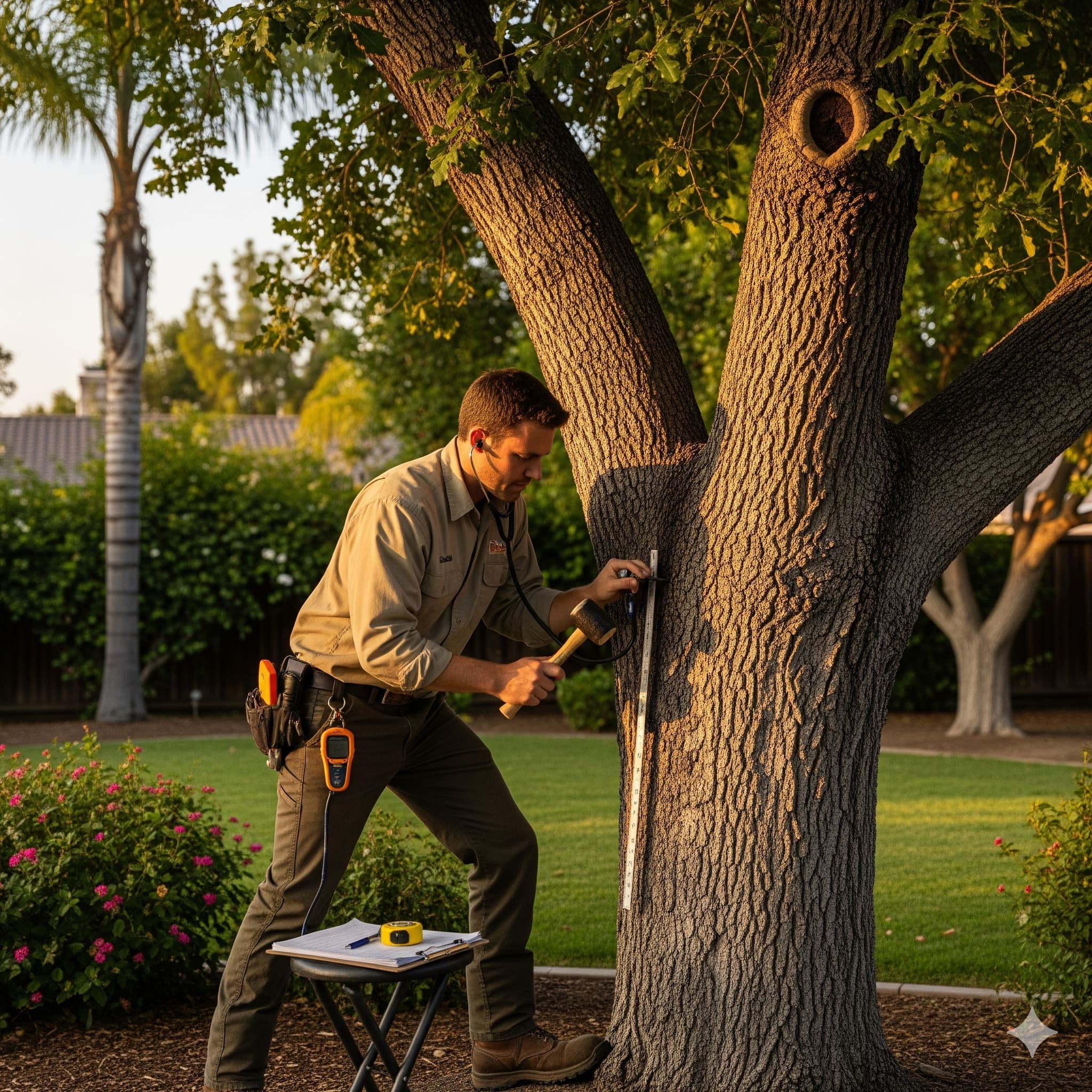
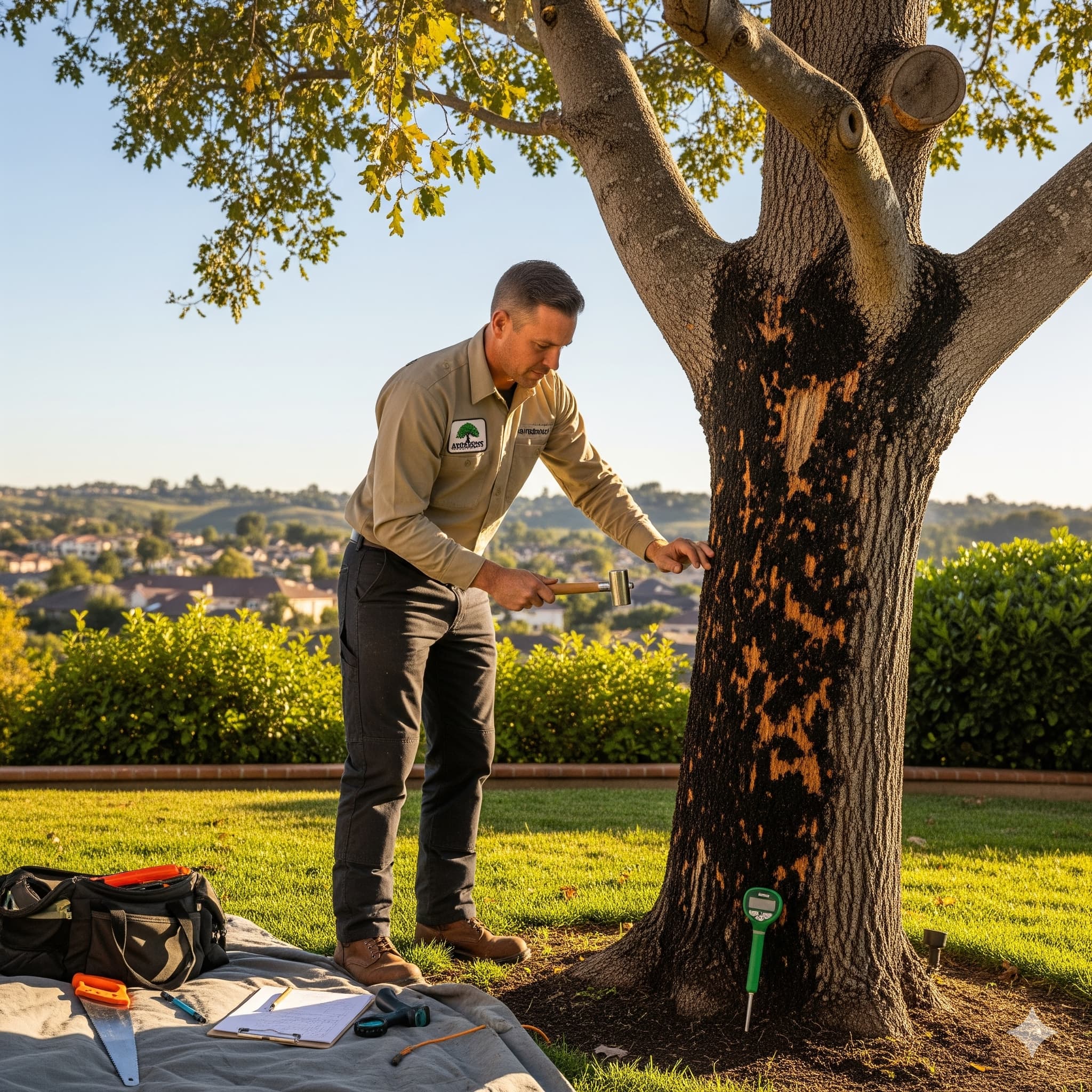
At Brea Tree Services & Arbor Care, we provide transparent pricing to both commercial and residential clients. Our certified arborists evaluate every job individually and develop detailed estimates that account for the unique characteristics and challenges of each client’s property.
To learn more about the specifics of your tree removal needs, please contact us. We will provide you with a comprehensive estimate and project plan that will ensure your investment in tree removal services yields the highest value possible while satisfying all the safety, insurance, and regulatory requirements applicable to your property type.
LATEST POSTS